

Homecare billing and payroll software helps agencies eliminate manual processes, reduce billing errors, and improve cash flow. Handling homecare payroll and billing manually is where many agencies quietly lose money. Between claims processing and payroll calculations, agencies can lose three to five percent of annual revenue to billing errors alone, leading to delayed payments and unnecessary administrative work.
Billing automation built for homecare changes that equation by handling repetitive, error-prone tasks automatically. This guide explains how homecare billing and payroll software streamlines operations, improves billing accuracy, and helps agencies save time while staying compliant.
Why Your Agency Needs Automated Billing for Homecare Agencies
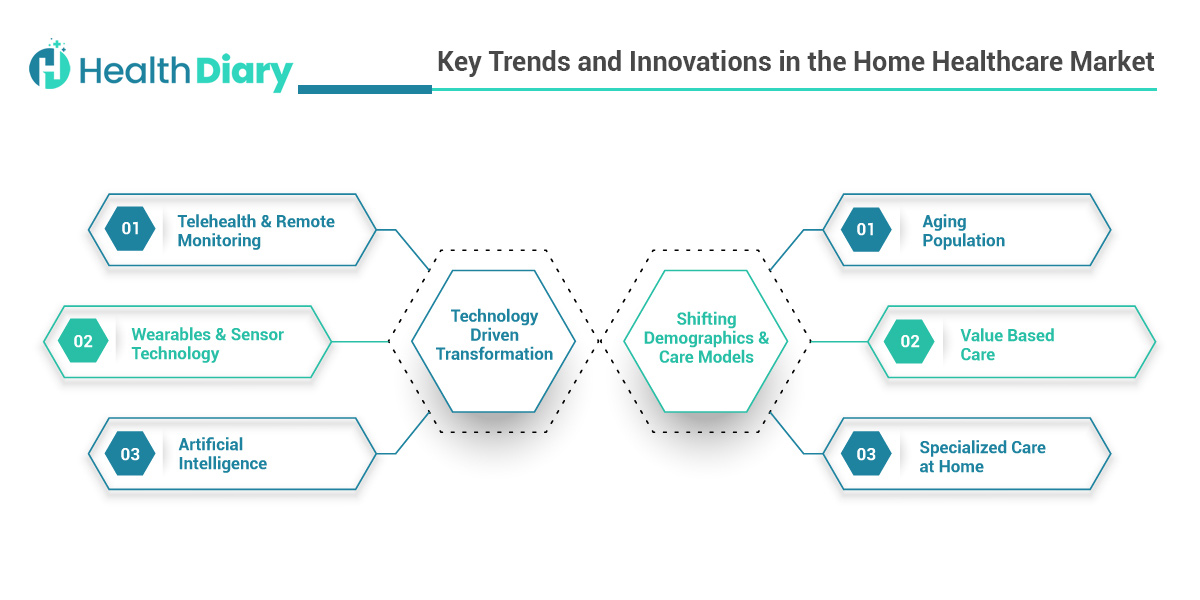
Generic accounting software wasn’t built for the complexity homecare agencies deal with daily, juggling Medicare, Medicaid, private insurance, and private-pay clients, each with its own codes and submission rules.
Reducing homecare billing errors with software starts with understanding where mistakes happen most frequently:
-
- Manual data entry creates errors when staff type visit information incorrectly
-
- Paper timesheets get lost or damaged before reaching your billing department
-
- Caregivers forget to submit visit notes on time or miss required signatures
-
- Multiple systems don’t talk to each other, causing duplicate work daily
-
- Claims get denied because of small coding mistakes or missing authorization numbers
All in one Home Health care software solution provides scheduling, documentation, and billing into one platform and removes most of these failure points at the source. EVV data can flow straight into billing without anyone retyping a single field.
The Real Cost of Manual Billing Processes
Let’s look at what manual billing actually costs your agency every single month:
| Manual Process Problem | Time Wasted Weekly | Annual Cost Impact |
| Manual data entry | 20+ hours | $25,000+ |
| Fixing billing errors | 15+ hours | $18,000+ |
| Processing claim denials | 12+ hours | $15,000+ |
| Tracking payment status | 10+ hours | $12,000+ |
| Manual payroll calculations | 8+ hours | $10,000+ |
Essential Features in Home Care Billing and Payroll Software
Your homecare agency financial workflow software needs specific capabilities to handle modern homecare operations efficiently. The right system makes your billing faster, more accurate, and much easier to manage.
Core Billing Features You Need
Billing software for homecare agencies must include these critical features for your daily operations:
-
- Automated claim submission: Creates and submits claims directly from verified visit data
-
- Real-time claim scrubbing: Checks every claim against payer rules before sending out
-
- Multi-payer management: Handles Medicare, Medicaid, and private insurance in one place
-
- EVV integration: Connects directly with electronic visit verification systems automatically
-
- Denial management: Tracks rejected claims and helps you fix problems quickly
-
- Custom reporting: Shows your cash flow, aging reports, and payment trends instantly
Validating visit data before a claim is ever generated catches missing codes or authorization gaps early, with alerts going out before anything gets submitted incorrectly.
Critical Payroll Integration Capabilities
Homecare payroll software transforms how you pay your caregivers accurately and on time, always:
-
- Automatic time calculations from EVV clock-in and clock-out data
-
- Multiple pay rates per caregiver based on service types provided
-
- Over time, holiday pay and shift differential calculations have been automatically handled
-
- Travel time and mileage reimbursement tracking are built into the system
-
- Direct integration with accounting software like QuickBooks or ADP systems
When billing and payroll share one data source, agencies stop paying out for visits that were never actually billable. The system checks scheduled visits against completed ones before payroll ever runs.
How Homecare Agency Billing Automation Works in Practice
Home care agency billing automation connects your entire workflow from scheduling through final payment collection. Understanding how this works helps you choose the right homecare agency billing system quickly.
The Automated Workflow Step-by-Step
Here’s how modern Homecare Agencies Billing and Payroll Software technology works for your agency daily:
Step 1: Scheduling and Authorization
-
- Your scheduler assigns caregivers to client visits in the system
-
- Software automatically checks client authorizations and remaining hours available
-
- Your service coordination software automatically checks client authorizations and remaining hours available
- System alerts you when authorizations are expiring or need renewal soon
- For behavioral services, PBIS software connects approved session hours directly to claims, so you never bill outside the 240-hour annual limit.
Step 2: Visit Verification
-
- Caregivers clock in using mobile devices with GPS location tracking
-
- Electronic visit verification captures exact times, locations, and services provided accurately
-
- The system flags any exceptions, like early clock-ins or missed breaks, immediately
Step 3: Documentation and Approval
-
- Caregivers complete required visit notes and capture client signatures digitally
-
- Supervisors review and approve visits from any location using mobile access
-
- Missing documentation triggers automatic reminders to caregivers before billing deadlines
- ILST software session notes flow into eMedNY claims automatically, with no re-entry by billing staff.
Step 4: Automated Billing
-
- Automated billing for homecare agencies creates claims from verified visit data only
-
- Claims go through automatic scrubbing against all payer rules before submission
-
- System submits electronic claims directly to clearinghouses and payers automatically
- CIC software tracks the 220-hour annual cap per participant, blocking claims that exceed authorization.
Step 5: Payroll Processing
-
- Homecare payroll management software calculates pay from the same verified visit data
-
- System applies correct pay rates, overtime rules, and deductions automatically
-
- Integration sends payroll data directly to your accounting or payroll provider
Step 6: Payment Tracking
-
- Software monitors claim status and posts payments automatically when received
-
- The system identifies denied or rejected claims needing immediate attention from your team
-
- Reports show your accounts receivable aging and cash flow in real time
This seamless workflow eliminates duplicate data entry while ensuring billing and payroll match perfectly.
Implementing Billing Automation for Your New York Homecare Agency
New York agencies running NHTD and TBI waiver programs software deal with specific regulatory requirements, and a financial system needs to be built to handle them from day one, not bolted on later.
Choosing the Right Software Solution
Consider these factors when selecting homecare provider software for your agency operations:
| Selection Criteria | Why It Matters | What to Look For |
| Payer Support | Must handle your specific insurance types | Pre-loaded NY Medicaid, Medicare, and managed care configurations |
| EVV Compliance | Required by law for Medicaid services | Built-in EVV meeting state aggregator requirements |
| Mobile Access | Field teams need real-time updates | Web-based access from any device ,anywhere |
| Integration | Connect with existing tools you use | APIs for accounting, HR, and communication platforms |
| Reporting | Track performance and compliance needs | Customizable dashboards and scheduled report delivery |
| Support | Get help when you need it most | US-based support team familiar with homecare operations |
Your homecare back-office software should be cloud-based so your team can access data anywhere. This flexibility matters especially for agencies serving clients across New York’s diverse communities.
Training Your Team for Success
Your staff needs proper training to use billing software for homecare agencies effectively every day:
-
- Schedule hands-on practice sessions with real scenarios from your agency operations
-
- Create simple reference guides for common tasks like processing claims or payroll
-
- Designate team champions who can answer questions and help troubleshoot issues
-
- Start with one department before rolling out to your entire agency staff
-
- Plan ongoing training sessions when new features are added to the system
Best Practices for Reducing Homecare Billing Errors with Software
Technology alone doesn’t fix billing errors; it takes consistent processes and quality checks layered on top of the software.
Daily Quality Control Checklist
Use this checklist to maintain accuracy in your homecare agency billing system every day:
✓ Review exception reports for incomplete or missing visit documentation immediately
✓ Check that all visits have required signatures before billing deadlines arrive
✓ Verify authorization coverage for scheduled visits before caregivers arrive at homes
✓ Monitor denied claims and fix issues the same day they appear
✓ Confirm EVV data matches scheduled visits before processing any payroll runs
✓ Run claim scrubbing reports to catch potential errors before submission happens
✓ Track accounts receivable aging to identify slow-paying insurance companies quickly
Maintaining Compliance with Regulations
Healthcare billing regulations change frequently, especially for Medicaid programs in New York state. Your homecare payroll and billing system must stay current with these updates automatically:
-
- Subscribe to regulatory updates from your software vendor and payer sources
-
- Schedule quarterly reviews of billing procedures to ensure continued compliance.
-
- Document all policy changes and train staff on new requirements immediately
-
- Maintain detailed audit trails of all billing activities and corrections made
-
- Store supporting documentation digitally with easy retrieval capabilities for audits
Measuring Success with Homecare Agency Financial Systems
Track these key metrics to measure your home care billing and payroll software performance:
| Metric | Before Automation | After Automation | Your Goal |
| Claim Denial Rate | 8-12% | 2-4% | Under 3% |
| Days in A/R | 45-60 days | 25-35 days | Under 30 days |
| Billing Staff Hours | 40+ hours/week | 15-20 hours/week | 50% reduction |
| Payroll Processing Time | 8-12 hours | 2-4 hours | Under 4 hours |
| Clean Claim Rate | 75-85% | 95-98% | Above 95% |
| Staff Overtime Costs | High | Minimal | 70% reduction |
Your homecare agency financial workflow software should provide dashboards showing these metrics in real time. Regular monitoring helps you identify problems quickly and make better business decisions.
Frequently Asked Questions
Q1: How much does billing software for homecare agencies cost monthly?
Pricing varies based on your agency size and the features needed for daily operations. Most homecare payroll and billing systems charge per user or per visit processed monthly. Expect to invest between five hundred and three thousand dollars monthly, depending on volume. The software typically pays for itself within three to six months through improved efficiency.
Q2: Can I use the same system for billing and payroll together?
Yes, integrated home care billing and payroll software is the best choice for your agency. Home care billing integration with payroll ensures your data stays consistent across all operations. You avoid discrepancies between hours billed and hours paid to your caregivers completely. One system saves time and reduces errors compared to using separate programs.
Q3: How long does implementing home care agency billing automation take?
Implementation typically takes four to twelve weeks, depending on your agency’s size and complexity. Cloud-based homecare back-office software launches faster because you avoid hardware installation steps completely. Most vendors provide dedicated support to configure payer profiles and train your team.
Q4: Will automated billing work with New York Medicaid requirements?
Yes, quality Medicaid waiver software includes pre-loaded billing configurations for New York Medicaid specifically. The software handles Electronic Visit Verification aggregator requirements and specific billing codes automatically. Your homecare agency billing system should update automatically when state regulations change throughout the year.
Conclusion
Billing and payroll automation adds up to real, measurable gains for an agency’s finances. Eliminating manual data entry alone saves hundreds of hours a month, and fewer errors mean fewer claim denials eating into revenue.
Bringing scheduling, documentation, billing, and payroll into a single workflow keeps caregivers paid accurately and on time while keeping the agency compliant. For NHTD and TBI waiver agencies in New York, it’s the kind of foundation that supports real, sustainable growth.
Ready to streamline your homecare payroll and billing processes completely? Home Health Diary offers comprehensive billing and payroll solutions designed specifically for NHTD and TBI agencies like yours. Schedule your free personalized demo today and see how much time and revenue your agency can recover or contact our team with any questions.